
Tracking market signals across honey, moringa, baobab, hibiscus, and ginger.
Executive Summary
May 2026 reinforced a trend we've been tracking for several months:
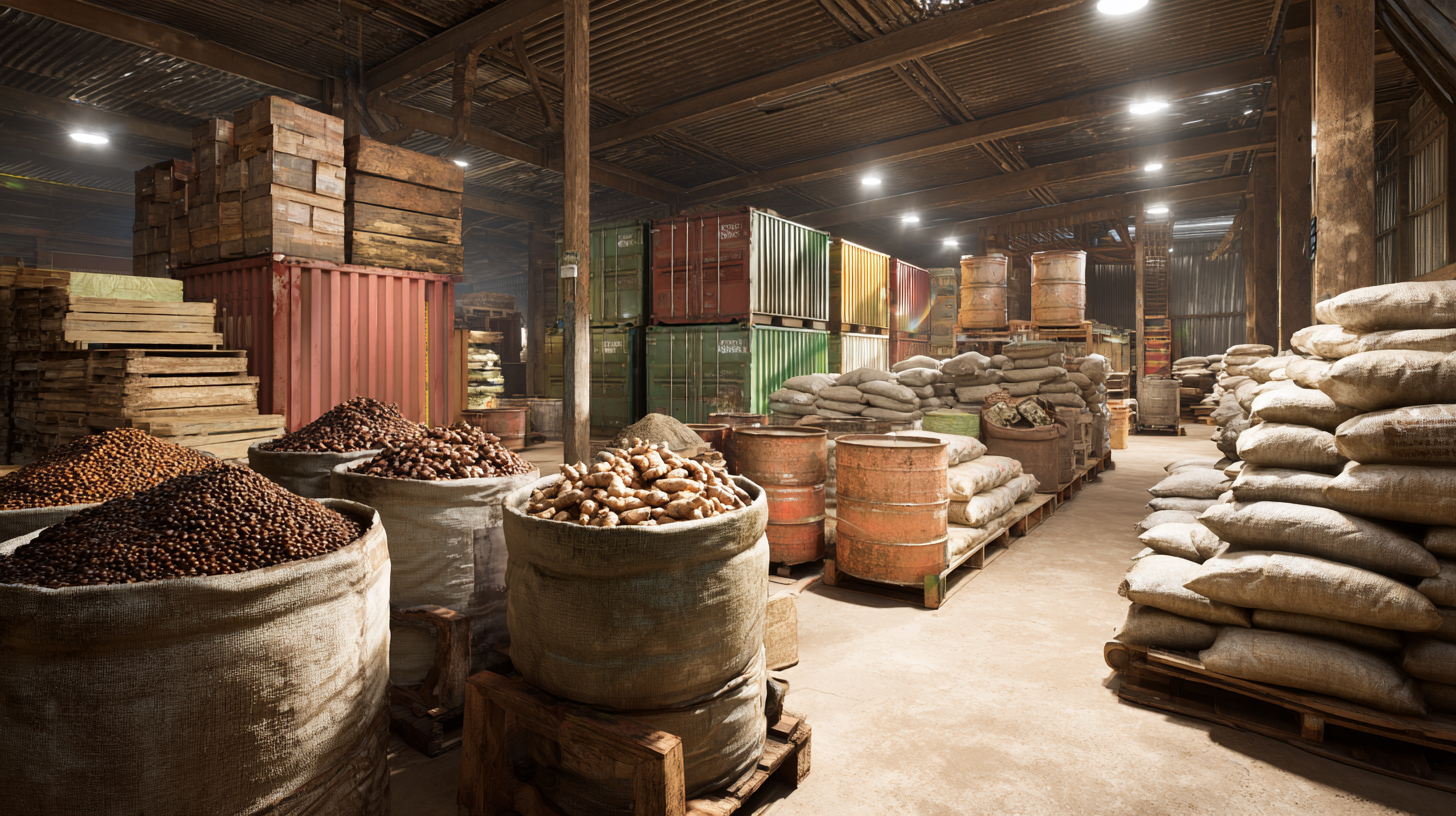
The strongest opportunities in African superfoods are increasingly being driven by processing, logistics, and buyer demand—not farm production alone.
Honey continues to benefit from tightening global supply and growing consumer demand for natural sweeteners. Ginger remains stable but supported by strong food ingredient demand. Moringa, baobab, and hibiscus remain fragmented markets where premiums are increasingly tied to processing quality rather than production volumes. (rawhoneyguide.com)
May 2026 Pricing Snapshot
| Commodity | Farmgate / Origin Range | Export / Wholesale Range | Trend |
|---|---|---|---|
| Organic Forest Honey | $2.50–4.00/kg | $6.00–10.00/kg | ▲ Bullish |
| Moringa Powder | $1.20–2.50/kg leaf equivalent | $4.00–8.00/kg | ► Stable |
| Baobab Powder | $0.30–0.80/kg fruit equivalent | $5.00–9.00/kg | ▲ Slightly Bullish |
| Dried Hibiscus | $0.60–1.50/kg | $2.50–5.00/kg | ► Stable |
| Dried Ginger | $0.80–1.50/kg | $1.80–3.50/kg | ▲ Slightly Bullish |
Indicative export ranges compiled from market observations, exporter discussions, regional trade data, and international wholesale benchmarks. Exact prices vary based on certification, processing, volume, and destination market.
Honey
Trend: Bullish
Honey remains the strongest category we monitor.
Several global indicators point toward continued supply pressure:
- U.S. honey production remains constrained.
- Import demand continues rising.
- Specialty and traceable honey categories are outperforming commodity-grade honey. (Reddit)
Recent market reports indicate bulk export honey is trading between roughly $2.78–3.15/kg for commodity grades, while certified and specialty African honeys can command $6–10/kg in premium export markets. (china.org.cn)
Lubembo Take
The opportunity is no longer simply producing more honey.
The opportunity is producing:
- lower moisture honey
- traceable honey
- export-ready honey
The gap between farmgate and export pricing remains one of the largest in the superfoods sector.
Moringa
Trend: Stable
Moringa continues to benefit from:
- wellness trends
- natural ingredient demand
- nutraceutical applications
However, the bottleneck remains processing.
Most value is captured after:
- drying
- milling
- standardization
rather than at the leaf production stage.
Lubembo Take
The next winners in moringa will likely be operators who own processing capacity rather than acreage.
Baobab
Trend: Slightly Bullish
Baobab continues to attract buyer interest due to:
- fiber content
- natural vitamin C positioning
- clean-label food formulations
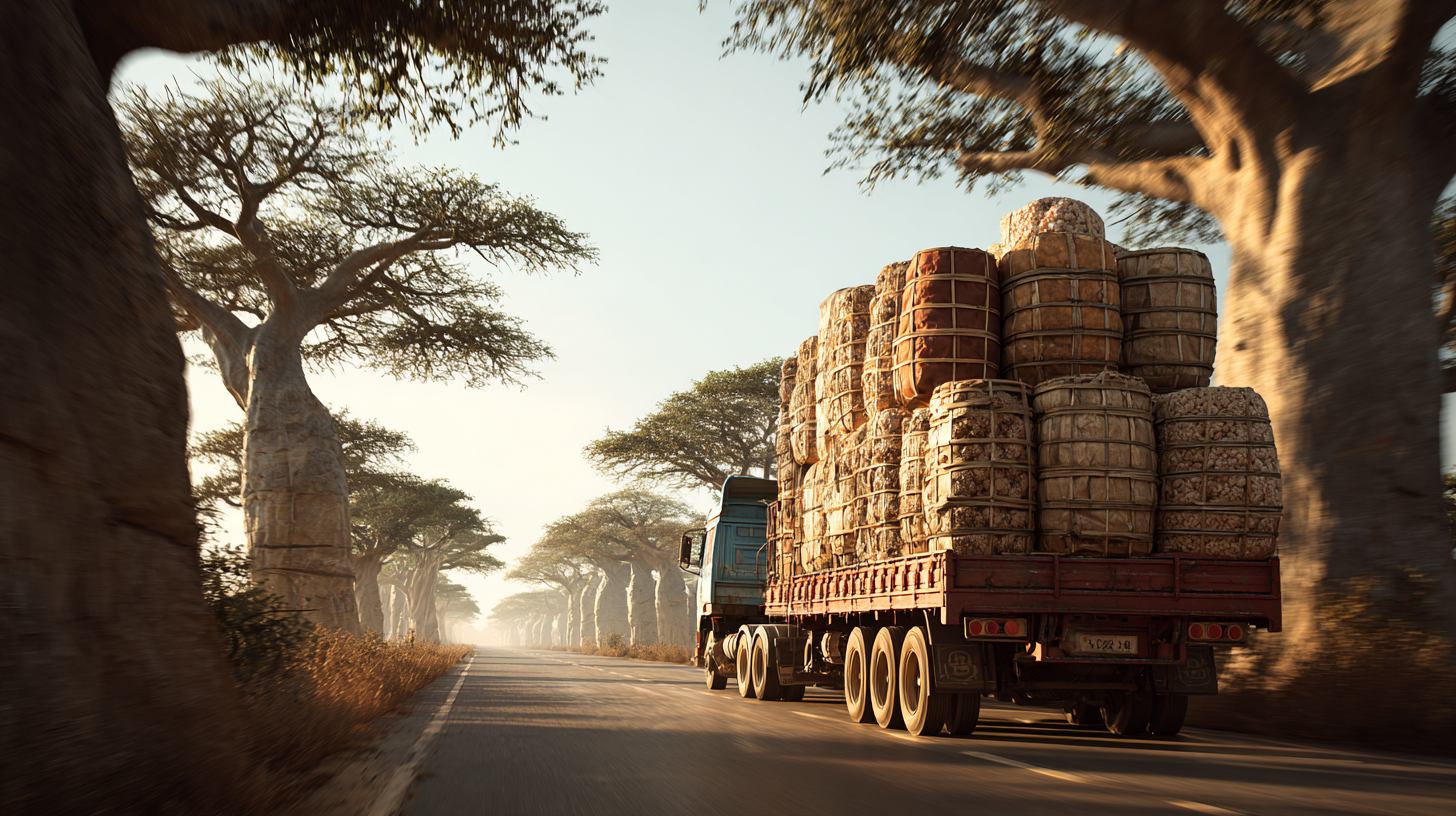
Yet supply chains remain highly fragmented.
Many producing regions still rely on informal collection systems.
Lubembo Take
Baobab remains one of Africa's most underdeveloped export categories.
The bottleneck is not demand.
The bottleneck is aggregation and processing.
Hibiscus
Trend: Stable
Demand remains supported by:
- herbal teas
- functional beverages
- natural colorants
The market remains highly price competitive, particularly from major exporters in West Africa.
Lubembo Take
Premium opportunities increasingly depend on:
- cleanliness
- sorting
- drying consistency
rather than simply offering raw material.
Ginger
Trend: Slightly Bullish
Global ginger markets remain relatively firm.
Recent export benchmarks show:
- Fresh ginger: roughly $950–1,150/MT
- Dried ginger: roughly $3,100–3,600/MT
- Ginger powder: roughly $4,000–4,500/MT depending on specifications. (tradologie.com)
African exporters continue benefiting from growing demand in:
- food manufacturing
- spice blends
- wellness products
Lubembo Take
Ginger increasingly resembles where moringa was several years ago:
a mature product globally, but still underdeveloped in many African export ecosystems.
The Bigger Signal
The most important trend this month isn't pricing.
It's infrastructure.
Across Africa, new trade corridors, logistics investments, and processing facilities are increasingly determining which commodities scale internationally.
The question is no longer:
"Where can this crop grow?"
The question is:
"Can this crop reach buyers consistently?"
For honey, moringa, baobab, hibiscus, and ginger alike, logistics and processing are becoming more important than production alone.
Key Takeaway
Africa doesn't have a shortage of superfoods.
It has a shortage of systems that can consistently move those products from rural production zones to international buyers.
The operators who solve that gap will capture the next decade of value creation.
Published by Lubembo Intelligence — tracking African trade, logistics, processing, and emerging commodity opportunities.


