

From the Lobito Corridor to Lamu Port, infrastructure built for minerals is creating export pathways for high-value crops.
The Overlooked Opportunity
While headlines focus on Africa's copper and cobalt corridors, a quieter export story is emerging.
The same infrastructure being built to move critical minerals — the railways, the ports, the logistics hubs — is beginning to create viable pathways for agricultural products that couldn't previously reach international markets.
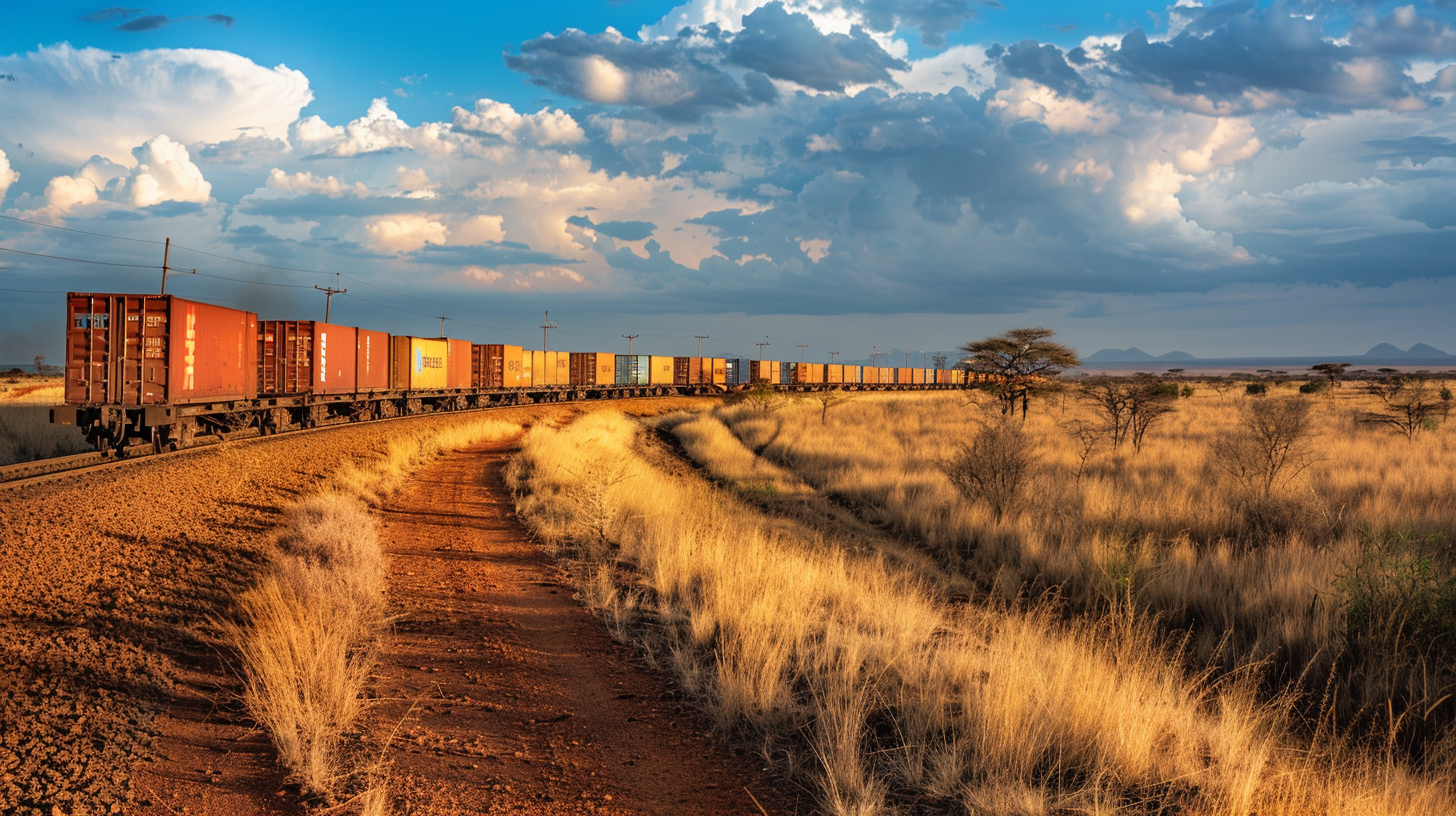
The Lobito Corridor, now backed by over $6.6 billion in committed investment, was designed to move copper and cobalt from DRC and Zambia to Atlantic shipping lanes. But railways don't discriminate by cargo. The same line that carries mineral concentrate can carry containers of honey, sesame, or moringa.
This convergence — mineral infrastructure creating agricultural export routes — represents one of the most underreported opportunities in African trade.
The Infrastructure Layer
Three major corridor developments are reshaping export geography across the continent.
The Lobito Corridor connects Angola's Atlantic port to the mineral-rich Copperbelt spanning southern DRC and northern Zambia. The US Development Finance Corporation has committed $553 million. The African Development Bank and European Union have pledged billions more. Construction bidding is now underway, with early works expected by late 2026.
The corridor's primary purpose is mineral logistics. But the EU's own framework explicitly includes "sustainable agricultural value chains" as a development priority. Rail capacity built for copper creates optionality for crops grown in the same regions.
LAPSSET — the Lamu Port–South Sudan–Ethiopia Transport Corridor — aims to link Kenya's Indian Ocean coast to landlocked neighbors via new roads, railways, and port capacity. Lamu Port, designed for 1.2 million container capacity with dedicated agricultural and livestock terminals, explicitly anticipates agricultural cargo.
As of late 2025, 88 kilometers of the 410-kilometer Lamu-Garissa road segment have been completed. The project remains behind schedule but continues advancing. When operational, it opens export pathways for agricultural products from northern Kenya, South Sudan, and Ethiopia that currently have no viable route to international markets.
The Northern Corridor — Mombasa to Uganda via Nairobi — remains East Africa's established trade artery. While not new, ongoing port expansion at Mombasa and road improvements continue increasing throughput. This corridor already moves significant agricultural volume; enhanced capacity benefits all exporters routing through Kenya.
Why High-Value Crops Fit These Routes
The crops best positioned to capitalize on corridor infrastructure share specific characteristics.
Small volume, high value. A single 20-foot container of premium honey, sesame, or moringa powder can be worth $90,000-180,000+. These products don't require bulk cargo ships. They fit standard container logistics — the same infrastructure serving mineral exports.
Rising global demand. Superfood and botanical ingredient categories are growing 8-12% annually in US and European markets. Nutraceutical manufacturers, specialty food brands, and wellness companies are actively seeking supply. African origins carry traceability premiums when documentation exists.
Production near corridor routes. Many high-value crops are produced in regions that new corridors traverse:
- Honey: Forest regions of eastern DRC, Zambia's rural provinces, northern Kenya
- Sesame: Ethiopia, South Sudan, northern Uganda
- Moringa: Kenya, Tanzania, DRC
- Hibiscus: Sudan, Nigeria, Senegal (Gulf and West African corridors)
- Shea: West African savannah belt
These aren't coincidences. The same rural geographies that hold mineral deposits also produce agricultural commodities. Infrastructure built for one creates opportunities for the other.
Regional Trade Pathways
The corridor buildout is redefining which routes make sense for which products.
Eastern DRC → Lobito (Atlantic): For agricultural products from Katanga and surrounding provinces, the Lobito Corridor offers a western exit that avoids routing through congested East African ports. Honey, moringa, and other high-value products from this region could reach European and American markets via Atlantic shipping lanes — potentially faster and cheaper than the traditional Mombasa route.
Northern Kenya / Ethiopia → Lamu (Indian Ocean): LAPSSET opens export pathways for sesame, gum arabic, and livestock products from regions historically disconnected from port access. The 160+ million population served by this corridor represents both production capacity and consumer demand.
Zambia / Zimbabwe → Multiple Options: The Lobito Corridor gives landlocked Southern African producers an Atlantic alternative to the congested Durban-Beira-Dar routes. Exporters gain negotiating leverage when they have corridor options.
The strategic insight: export geography is no longer fixed. The traditional assumption that East African products route through Mombasa and Southern African products route through Durban is being challenged by infrastructure investment that creates alternatives.
Who's Buying
The demand side of this equation is equally important.
Gulf food security investors have significantly increased agricultural investment in Africa. UAE sovereign funds committed $3 billion to Angolan agro-industrial projects following President Mohammed bin Zayed's August 2025 visit. Food security concerns are driving Gulf states toward African supply chains for ingredients they previously sourced from Asia.
US and European specialty food brands are under pressure to diversify supply chains and improve traceability. "Made in Africa" carries premium positioning in organic, fair-trade, and wellness categories. Brands want traceable ingredients — but only if logistics make consistent supply possible.
Nutraceutical manufacturers source botanical ingredients at industrial scale. Moringa, baobab, and hibiscus are growth categories. These buyers care less about origin story than about specification consistency, contamination testing, and supply reliability.
Chinese trading companies already dominate African mineral trade. Agricultural logistics are a natural extension. Chinese investment in processing facilities across Africa positions these actors to capture agricultural value chains alongside minerals.
The Intelligence Gap
Here's what most market participants miss.
Mining analysts understand the Lobito Corridor. They track copper contracts, rail capacity, and port throughput for mineral exports.
Agricultural analysts understand African farming. They track yields, acreage, and farmer cooperatives.
Almost no one is connecting these systems.
The question of which agricultural products can move through mineral corridors — and at what cost — remains largely unanalyzed. The logistics economics, the regulatory requirements, the buyer connections: this intelligence doesn't exist in consolidated form.
This is the gap Lubembo Intel is designed to fill.
We track:
- Which corridors are actually operational (vs. announced)
- Which agricultural products fit corridor logistics
- Which buyers are actively sourcing through these routes
- What the true cost structure looks like for high-value crop exports
Mineral corridors get the headlines. Agricultural opportunities along those corridors require deeper analysis.
The Strategic Takeaway
Africa's next export growth story may not be minerals alone.
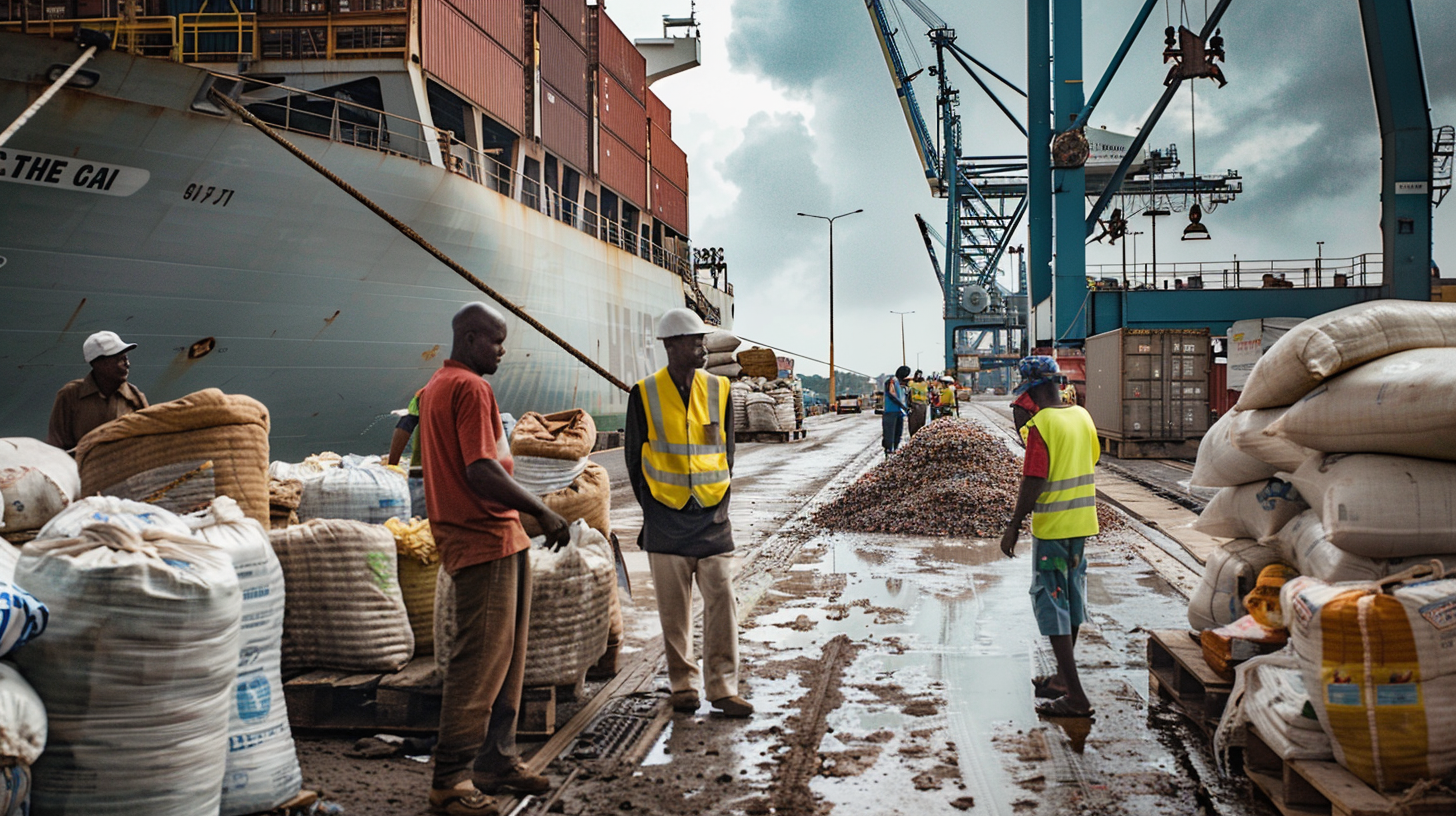
The $6.6 billion being invested in the Lobito Corridor, the billions more flowing into LAPSSET and other routes, the port expansions across the continent — this infrastructure will move whatever fits the logistics economics.
For high-value agricultural products — honey, sesame, moringa, hibiscus, shea, specialty coffee — the economics increasingly work. Small volumes, high margins, container-friendly, rising demand.
The exporters and investors who understand these corridors early will shape the next decade of African agricultural trade.
The infrastructure built for cobalt may end up exporting far more than metals.
Those paying attention will capture the opportunity. Those waiting for it to be obvious will find the routes already crowded.
Lubembo Intelligence tracks emerging trade corridors, commodity flows, and export infrastructure across Africa. Subscribe for analysis on how agricultural products actually move from production zones to international markets. Subscribe


