

Every year, thousands of tonnes of baobab fruit fall to the ground across Sub-Saharan Africa and rot.
Not because nobody wants them. The European baobab ingredient market is growing at 11.35% annually, with Europe commanding 33% of global revenue. Holland & Barrett dedicates shelf space to African botanicals. Natural cosmetic brands are reformulating around baobab oil faster than supply can follow.
The fruit is not the constraint.
What's missing is the 200 metres between the tree and the export container — the processing, the milling, the grading, the compliance documentation that transforms a foraged fruit into a commercially viable ingredient.
This is not a farming problem. It is an industrialisation problem. And until Africa's baobab sector treats it as one, the bulk of the value will continue to be captured in Rotterdam, Hamburg, and London rather than Dakar, Harare, or Kinshasa.
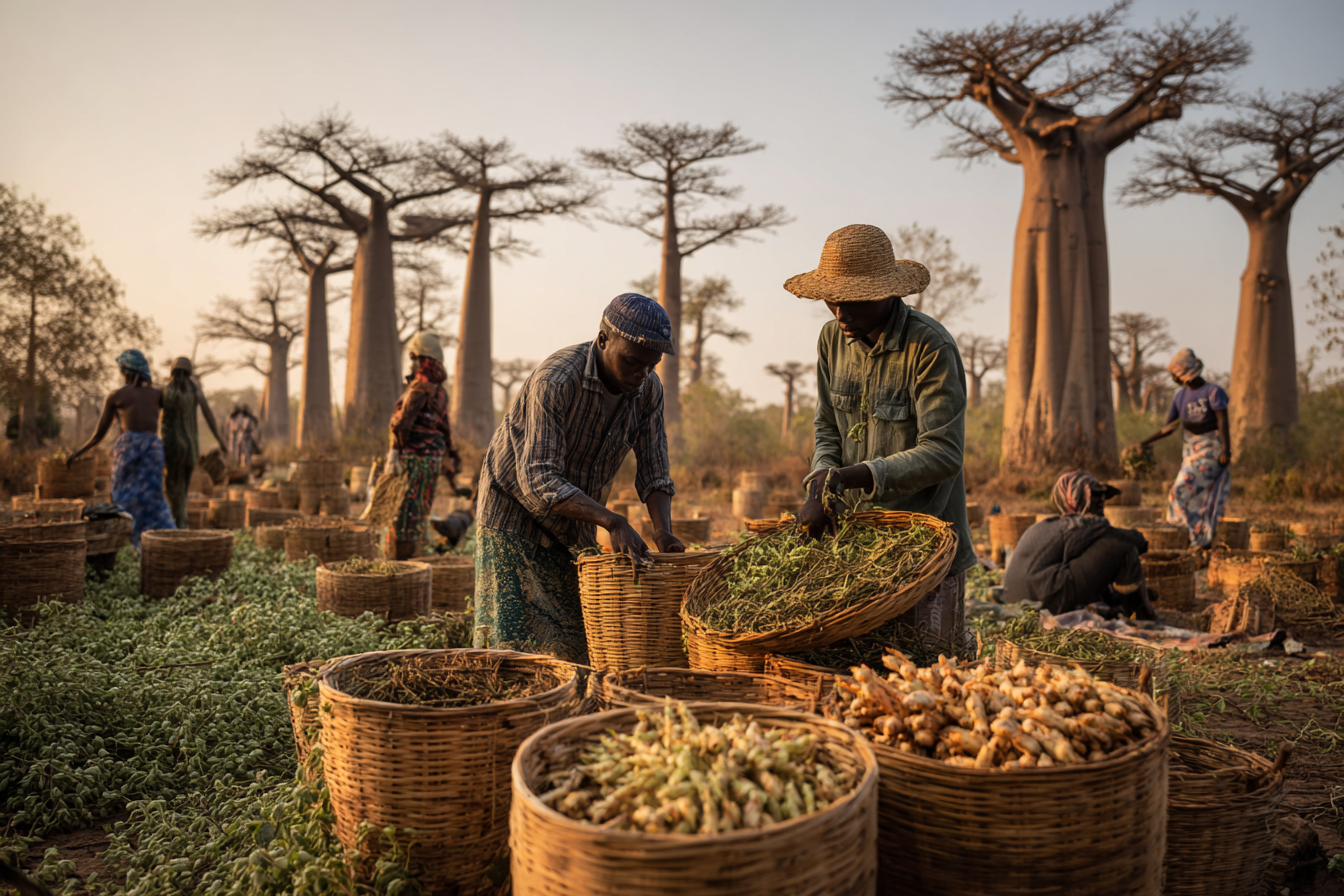
What Baobab Processing Actually Is
There is a persistent misunderstanding among buyers and investors who are new to baobab: they assume the product is simple to make. Crack open the fruit, extract the powder, bag it.
The reality is more structured, and more consequential.
Commercial baobab processing involves six distinct steps, each of which introduces quality variables that determine whether the end product can enter regulated markets:
- Shell cracking. The outer shell of the baobab fruit is dense and hard. Cracking it without contaminating the powder inside requires purpose-built equipment. Doing it by hand — as most informal harvesters do — introduces shell fragments, dust, and inconsistency.
- Pulp and seed separation. The dry pulp inside the baobab fruit naturally separates from the seeds when cracked, but incomplete separation leaves seed fragments that affect both texture and nutritional profile. Buyers testing for specific fibre and vitamin C content will catch this.
- Cleaning and sieving. Removing foreign matter — debris, residual shell, insect presence — before milling requires proper sieving infrastructure. Skipping this step is one of the primary reasons African baobab shipments fail European border inspections.
- Milling to specification. The particle size of baobab powder matters enormously. Food and beverage manufacturers have specific mesh requirements. Supplement manufacturers have different ones. Cosmetic formulators have different ones again. A hammer mill without calibration controls produces inconsistent output that fails buyer specifications even when the underlying fruit is high quality.
- Grading and quality testing. Moisture content, microbial counts, mycotoxin levels, heavy metal presence — these are the tests that determine whether a batch can board a plane or gets rejected at a European port. None of them can be confirmed without a laboratory, and most African baobab producers have no access to accredited local testing.
- Packaging for export. Moisture control during storage and transit is the final processing challenge. Baobab powder absorbs humidity readily. Without properly sealed, food-grade packaging and consistent storage conditions, a batch that tests well at origin can arrive degraded.
The gap between "baobab fruit that exists in abundance" and "baobab powder that a European buyer will pay €10-14 per kilogram for" is entirely located in these six steps. None of them are farming steps.
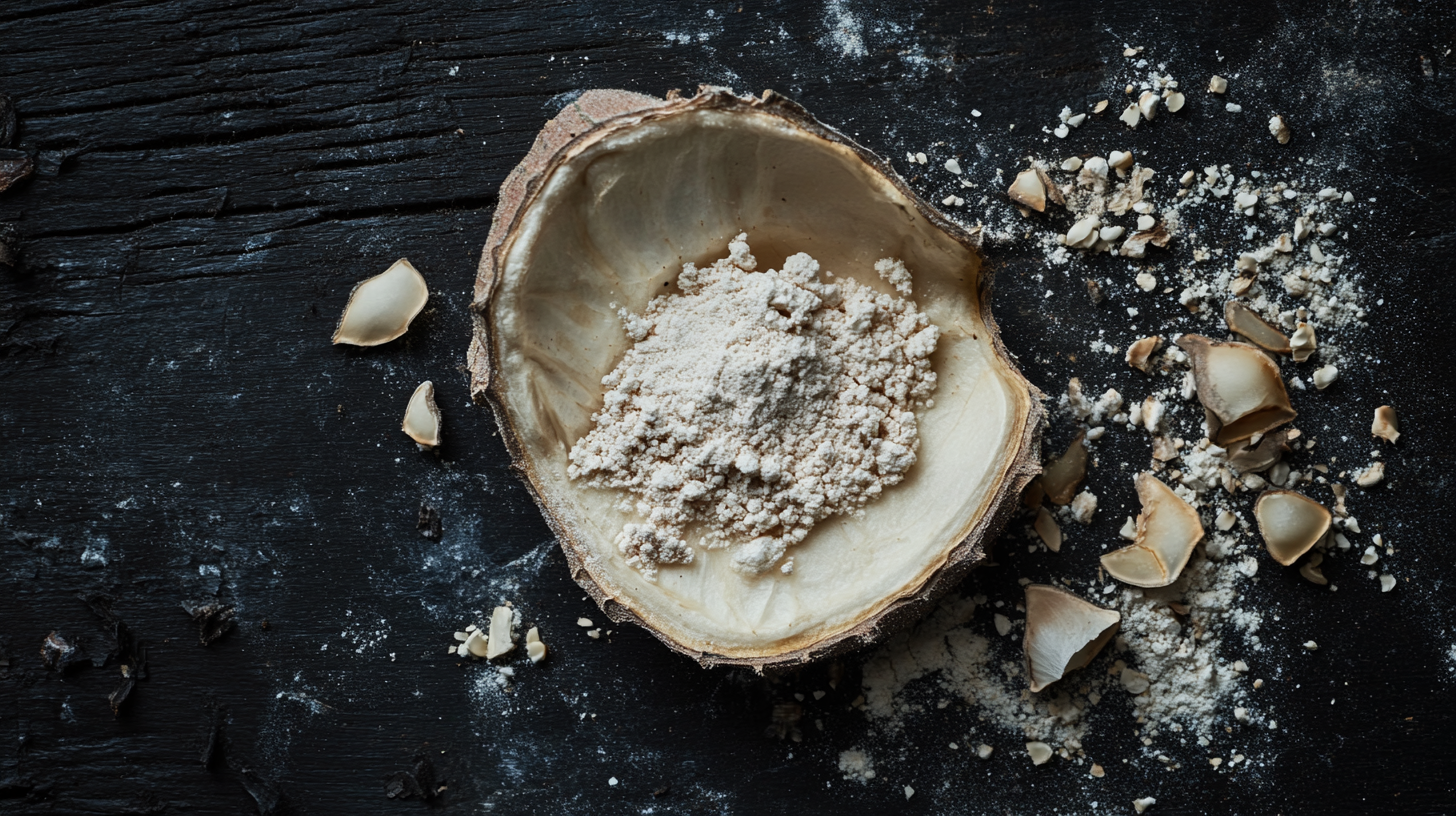
Where Africa's Baobab Processing Currently Sits
The named commercial producers in current market data are South Africa, Zimbabwe, Ghana, Nigeria, Senegal, and Benin. These countries appear in export statistics because they have, to varying degrees, invested in at least some of the processing steps above — not because they have more or better baobab trees.
DRC has baobab. Significant quantities of it, across Kongo-Central, Bandundu, and into the forest-adjacent zones that also produce honey and moringa. It appears nowhere in any market report as a commercial baobab supplier. Neither does the DRC's interior, or the Ghanian baobabs, where some of the oldest baobab stands in Africa exist without any commercial aggregation infrastructure around them.
The trees are not the differentiator. The processing is.
This is actually good news for operators who understand it, because processing infrastructure can be built faster than forests can be grown. A hammer mill and a gravity sieve table cost less than a hectare of commercial farmland in most African markets. A solar dryer capable of processing several hundred kilograms per week can be deployed for under $10,000. The capital requirement for basic baobab processing at commercial viability is not large relative to the market opportunity.
What's large is the gap in technical knowledge, quality management discipline, and access to accredited laboratory testing that would allow an African operator to produce a batch with a certificate of analysis that a European buyer trusts.
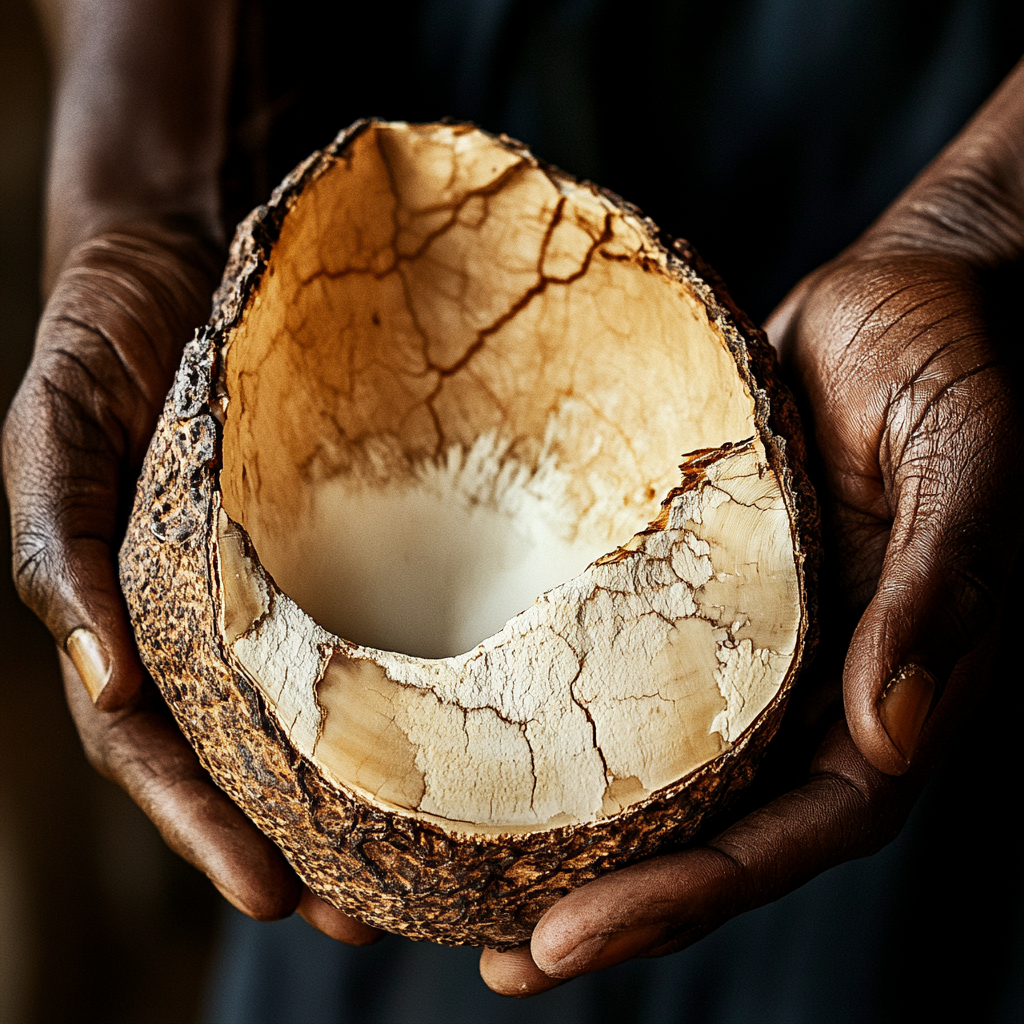
The Waste Stream Nobody's Talking About
Here is an additional insight that most baobab coverage misses entirely.
Standard baobab processing generates approximately 40% waste by weight — shells, seed fragments, and residual fibre that don't make it into the commercial powder. In most current operations, this waste is discarded.
Baobab seed oil is one of the fastest-growing segments in the baobab market, expanding at 7.62% CAGR through 2031, driven by demand from premium cosmetic brands looking for natural emollients and antioxidant-rich oils. The seeds that most processors throw away are the feedstock for that product.
Baobab shells, when converted to biochar, have demonstrated soil amendment properties relevant to the regenerative agriculture sector — a market that is itself growing rapidly and commanding premium prices from impact-oriented buyers.
A processing operation that treats the seed and shell as waste is leaving a second revenue stream on the floor. The operator who builds vertical integration into their processing model — powder for food and supplements, oil from seeds, biochar from shells — is building a completely different unit economics structure than the one who only sells powder.
This is the model that will define the competitive baobab operators of the next decade.
What This Means in Practice
If you are a buyer sourcing baobab: the questions to ask are not where the trees are. They are where the processing happens, who controls it, and what documentation comes with the batch. A supplier who can answer those questions with specificity is a supplier who has solved the hard part.
If you are an investor evaluating baobab opportunities: the returns are not in land or in farming. They are in processing infrastructure — specifically in the capital-light equipment layer that transforms wild harvest into export-grade product. A $50,000 investment in processing equipment generates more durable competitive advantage than the same amount applied to expanding cultivation.
If you are an African operator: the strategic question is not how to grow more baobab. It is how to control the six steps between the tree and the container. Every step you own is a margin you stop surrendering to importers and processors in destination markets.
Baobab is one of the few ingredients in the global botanical market that is genuinely, structurally scarce at the processing level despite abundance at the harvest level.
That asymmetry is where the opportunity lives.
The fruit is not the product. The processing is.
The Intelligence Brief is Lubembo Intel's monthly opinion column — grounded in operational observation and market data, not development theory.
Lubembo is an African superfood aggregator and market intelligence platform operating across DRC and Kenya. We source, we process, and we publish what we learn.
lubembointel.com | hi@lubembo.co


