

Real costs to lab-test baobab: $235 DRC, $500 Kenya, €1,700+ Europe. We did everything right—zero contamination—and the EU buyer still walked.
Executive Takeaway
Getting baobab powder lab-tested ranges from $235 in DRC to $500 in Kenya to €1,700+ in Europe—and the right choice depends on what you're trying to accomplish. DRC labs handle basic quality checks. Kenya offers a comprehensive panel at half the European price. EU buyers will re-test regardless.
But here's what the cost breakdown doesn't tell you: we did everything right—sourced samples from two regions, tested with zero contamination, offered the buyer full transparency—and they still walked away. Not because of quality. Because we lack EU organic certification. That's a $15,000–$20,000 barrier that keeps most African suppliers out of the European market entirely.
The practical implication:
- University of Kinshasa charges $235 for a 10-parameter nutritional/quality panel. Turnaround is 1 month. This covers moisture, protein, lipids, fiber, ash, pH, foreign matter, antioxidant activity, and tartaric acid—enough to verify basic quality before you invest in a full export.
- Kenya private lab charges $500 for a 25-parameter panel including microbiology, mycotoxins, pesticides, and heavy metals. This ISO-accredited lab covers nearly everything EU buyers require—at 4x cheaper than European testing. If you need a comprehensive pre-shipment analysis, Kenya is the sweet spot.
- OCC (Office Congolais de Contrôle) charges ~$240—and you need OCC clearance to export food from DRC anyway. If you test at the university first, you'll still pay OCC when you export. Better to test with OCC once and check both boxes.
- EU buyers will re-test your product in Europe regardless. The German buyer spec sheet requires 40+ parameters including pesticide residue, mycotoxins, heavy metals, PAH, and MOSH/MOAH. A European lab in Belgium quotes €1,700+ for this full panel. Accept this: your local lab test is for your own due diligence, not your buyer's compliance.
- Without EU organic certification, none of this may matter. Even if your product tests clean, many EU buyers won't engage with suppliers who lack the €15,000+ certification. This is the structural barrier that keeps African farmers out of global trade.
This post breaks down the real numbers, the process, and the outcome—including how the deal ended.
At-a-Glance Numbers
| METRIC | VALUE |
|---|---|
| DRC lab cost (University of Kinshasa) | $235 |
| DRC lab cost (OCC) | ~$240 |
| Kenya private lab cost (ISO-accredited) | $500 (KES 64,380) |
| EU lab cost (Belgium, full panel) | €1,700+ (~$1,850) |
| Sample procurement (per region) | ~$10–15 |
| Sample shipping Dakar → Kinshasa | $28 (2 kg) |
| Sample shipping to EU buyer (via KPM) | $20/kg |
| DRC lab turnaround (University) | 25 business days |
| DRC lab turnaround (OCC) | ~1 month (estimate) |
| Kenya private lab turnaround | ~5–7 business days (estimate) |
| EU lab turnaround (Primoris) | 5 business days |
| EU organic certification cost | $15,000–$20,000+ |
FX assumptions: 1 USD = 129 KES; 1 USD ≈ 600 CFA; 1 USD = 2200 CDF
The Testing Landscape: Three Options
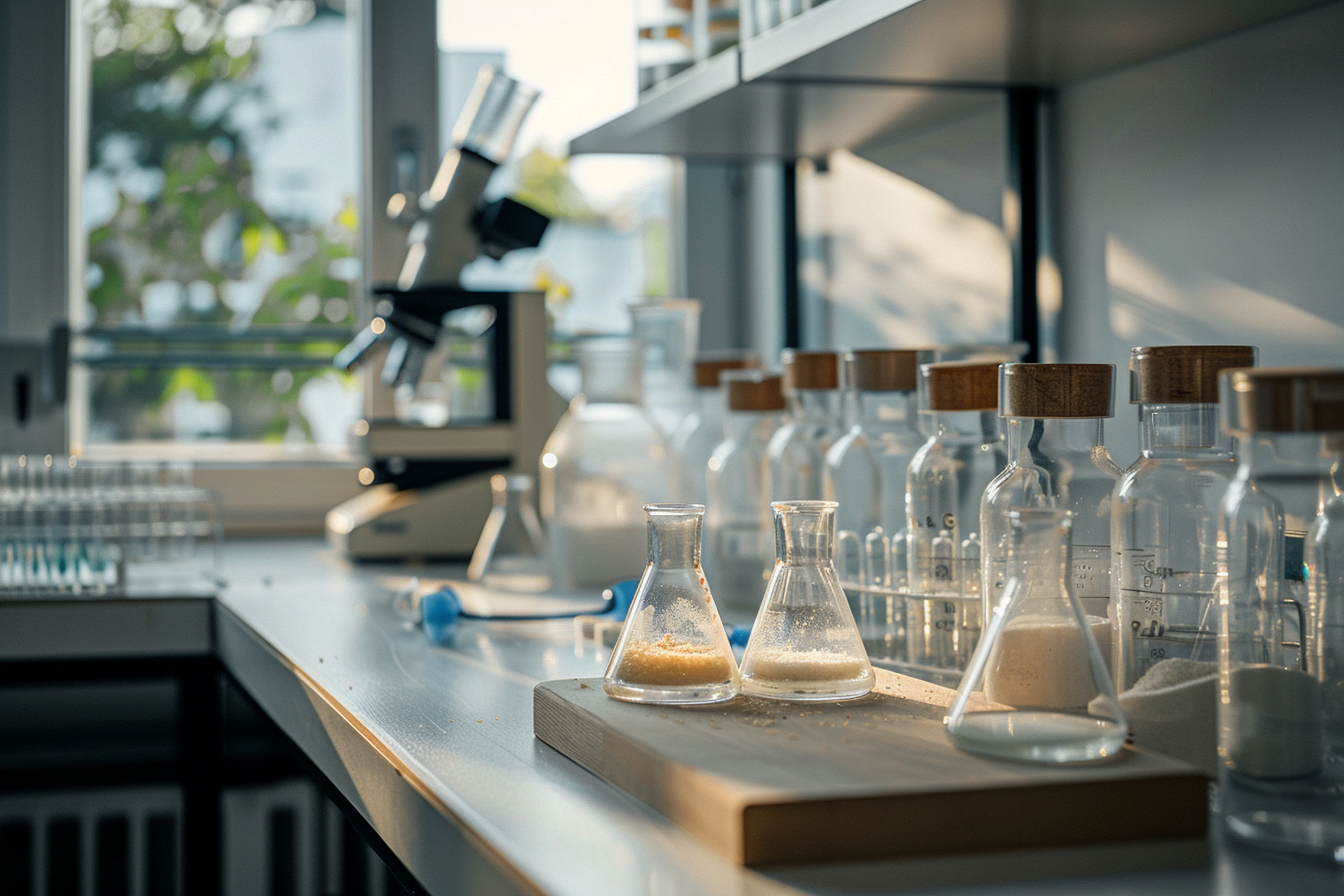
When you need to lab-test baobab powder sourced from DRC, you have three realistic options:
Option 1: Test in DRC (University of Kinshasa or OCC) Cost: $235–$240. Covers nutritional composition and basic quality. Cannot cover pesticides, heavy metals, or mycotoxins at EU detection limits. Turnaround: 4 weeks.
Option 2: Test in a regional hub (Kenya) Cost: $500 (KES 64,380 including VAT). Covers 25 parameters: full nutritional panel, microbiological, mycotoxins (aflatoxins), pesticide residues, and heavy metals (lead, cadmium). ISO-accredited. Turnaround: ~5–7 business days. Requires shipping samples to Nairobi.
Option 3: Test in Europe (Belgium or equivalent) Cost: €1,700+ for full panel. Covers everything EU buyers require including EU-specific contaminants (chlorate, perchlorate, PAH, MOSH/MOAH, pyrrolizidine alkaloids). Turnaround: 5 business days. Requires shipping samples internationally.
The decision matrix:
- Quick go/no-go on a supplier? Use DRC ($240).
- Pre-shipment quality assurance with comprehensive coverage? Use Kenya ($500).
- Full EU compliance documentation? Use Europe (~$1,900)—but know your buyer will likely re-test anyway.
What DRC Labs Can Actually Test
University of Kinshasa (CRISIAC Lab)
The Centre de Recherche-Innovation Spécialisé en Industries Agroalimentaire et Cosmétique (CRISIAC) at University of Kinshasa provided us a formal proforma for baobab powder testing:
| Test | Method | Cost (USD) |
|---|---|---|
| Moisture | AOAC | $15 |
| Total proteins | Kjeldahl | $35 |
| Total lipids | Soxhlet | $30 |
| Crude fiber | Weende | $30 |
| Total carbohydrates | Folin-Ciocalteu (UV-Vis) | $25 |
| Ash | Incineration (AOAC) | $15 |
| pH | Potentiometry | $15 |
| Foreign particles | ISO/AOAC | $10 |
| Antioxidant activity | DPPH | $35 |
| Tartaric acid | Titrimetry | $20 |
| Nutritional value | Calculation | $5 |
| Total | $235 |
Turnaround: 25 business days after sample receipt and payment confirmation.
What's missing: Pesticide residue (GC-MS/MS, LC-MS/MS), heavy metals (lead, cadmium), mycotoxins (aflatoxins, ochratoxins), microbiological panel (salmonella, E. coli, coliforms, mold, yeast), and all the EU-specific contaminants (chlorate, perchlorate, pyrrolizidine alkaloids, PAH, MOSH/MOAH, ethylene oxide).
OCC (Office Congolais de Contrôle)
OCC performs similar testing to University of Kinshasa at approximately $240 (recently increased from $200).
Critical point: DRC government policy requires all food leaving the country to be tested and certified by OCC. This means:
- If you test at University of Kinshasa, you still need OCC certification to export
- If you test at OCC, you satisfy both your quality verification and export compliance in one step
Recommendation: For botanicals destined for export, skip the university and go straight to OCC. One test, one fee, two boxes checked.
What Kenya Labs Can Test (The Middle Ground)
Private Laboratory Services (Nairobi, ISO-Accredited)
Our lab partner provided a formal quote (QU-1161) for comprehensive baobab powder testing. This is the sweet spot: 2x the DRC price, but 4x cheaper than Europe—and covers nearly everything a buyer needs.
| Test Category | Test | Cost (KES) | Cost (USD)* |
|---|---|---|---|
| Mycotoxins | Aflatoxin B1 | 4,500 | $35 |
| Total aflatoxin | 4,500 | $35 | |
| Nutritional | Protein | 2,000 | $16 |
| Fat | 2,000 | $16 | |
| Total carbohydrate | 2,500 | $19 | |
| Total sugars | 2,000 | $16 | |
| Sodium | 1,500 | $12 | |
| Sensory/Physical | Color | 1,000 | $8 |
| Odor | 600 | $5 | |
| Flavor | 600 | $5 | |
| Size | 600 | $5 | |
| Texture | 600 | $5 | |
| Moisture | 1,000 | $8 | |
| Ash | 1,000 | $8 | |
| Foreign matter | 600 | $5 | |
| Microbiological | Aerobic mesophilic count | 1,500 | $12 |
| Yeast and Mold | 1,500 | $12 | |
| Enterobacteriaceae | 1,500 | $12 | |
| Total coliforms | 1,500 | $12 | |
| E. coli | 1,500 | $12 | |
| Salmonella | 1,500 | $12 | |
| Bacillus cereus | 2,500 | $19 | |
| Pesticides | Pesticide residues (panel) | 15,000 | $116 |
| Heavy Metals | Lead | 2,000 | $16 |
| Cadmium | 2,000 | $16 | |
| Subtotal | 55,500 | $430 | |
| VAT (16%) | 8,880 | $69 | |
| TOTAL | 64,380 | $499 |
FX assumption: 1 USD = 129 KES
What Kenya covers that DRC cannot:
- Full microbiological panel (7 parameters)
- Mycotoxins (aflatoxins B1 + total)
- Pesticide residue screening
- Heavy metals (lead, cadmium)
What Kenya still cannot test (EU-specific):
- Chlorate, perchlorate
- Pyrrolizidine alkaloids
- PAH (polycyclic aromatic hydrocarbons)
- MOSH/MOAH (mineral oil hydrocarbons)
- Ethylene oxide
- Ochratoxins
Why the price difference vs. DRC? Kenya lab is ISO-accredited with international certification. DRC's OCC and university labs are government/academic facilities without the same accreditation standards. For buyers who want third-party validation before committing to a container, the $500 Kenya test provides more credibility than a $240 DRC certificate.
Logistics to ship samples to Nairobi: Budget $30–50 for courier (DHL, FedEx, or regional carrier) from Kinshasa. If you do it through Kenya Airways, it's a direct flight every other day of the week but pricier. If you choose cheaper flight options, which given that baobab is a powder it's not time or temperature sensitive, not a direct flight, so samples typically route through Addis Ababa or Johannesburg. Allow 3–5 days transit.
What EU Buyers Actually Require
The buyer (Germany), we're in discussions with, provided their spec sheet for organic baobab powder. Here's what they require:
Sensory & Physical
- Color, odor, flavor, texture
- Particle size: 80 mesh
- Moisture: ≤12%
- Ash: ≤6%
- Foreign matter: ≤0.2%
Microbiological
- Aerobic mesophilic count: <100,000 cfu/g
- Enterobacteriaceae: <1,000 cfu/g
- Mold: <10,000 cfu/g
- Yeast: <10,000 cfu/g
- E. coli: <10 cfu/g
- Coliforms: <10 cfu/g
- Salmonella: Absent in 125g
- Bacillus cereus: <500 cfu/g
Pesticides (per EU Regulations 2018/848 and 396/2005)
- GC-MS/MS screening
- LC-MS/MS screening
- Glyphosate, AMPA, glufosinate
- Nicotine, fosetyl, phosphonic acid
- Ethylene oxide
- Matrine, anthraquinone
- Bromide, DDT, dithiocarbamates
Heavy Metals (per EU Regulation 2023/915)
- Lead: <0.10 mg/kg
- Cadmium: <0.05 mg/kg
Other Contaminants
- Aflatoxins (B1, B2, G1, G2)
- Ochratoxins
- Chlorate, perchlorate
- Pyrrolizidine alkaloids
- PAH (benzo(a)pyrene + sum)
- MOSH/MOAH
Nutritionals
- Protein, fat, carbohydrates, sugars, sodium, salt
The gap: DRC labs cover maybe 30% of this list. The pesticide, contaminant, and microbiological panels require equipment that doesn't exist in Kinshasa.
What European Testing Actually Costs
Belgium lab quoted us the following for baobab powder testing:
| Test | Method | Cost (EUR) |
|---|---|---|
| Fixed sample cost | — | €25.00 |
| GMS + LMS (pesticide multi-residue) | GC-MS/MS & LC-MS/MS | €185.65 |
| Glyphosate + AMPA + glufosinate | UPLC-MS/MS | €152.15 |
| Nicotine | UPLC-MS/MS | €105.60 |
| Fosetyl-Al + phosphonic acid | LC-MS/MS | €115.81 |
| Ethylene oxide | GC-MS/MS | €186.22 |
| Bromide | UPLC-MS | €49.39 |
| Dithiocarbamates | GC-MS | €31.80 |
| Sample destruction (for metals) | — | €32.36 |
| Lead | ICP/MS | €9.65 |
| Cadmium | ICP/MS | €9.65 |
| Mycotoxins (OTA + aflatoxins) | UPLC-MS/MS | €107.87 |
| Chlorate | LC-MS/MS | €105.60 |
| Perchlorate | LC-MS/MS | €105.60 |
| Pyrrolizidine alkaloids | LC-MS/MS | €180.54 |
| PAH screening | GC-MS/MS | €105.60 |
| MOSH/MOAH | LC-GC-FID | €235.66 |
Subtotal for contaminant/pesticide panel: ~€1,744 (approximately $1,900 USD)
What the Belgium lab cannot test: Protein, fat, total carbohydrates, total sugars, salt, and microbiological characteristics. You'd need a second lab for those.
Turnaround: 5 business days standard. Priority options available (1.5x cost for next-day, 2x cost for same-day).
The Real Workflow: How Samples Move
Here's exactly how we got a baobab sample tested and prepared for a German buyer:
Step 1: Procure the sample ($10)
Our farmer quality control staff went to Kinshasa went to Matadi ki Bala market—a known wholesale market for agro goods from Kongo-Central. She purchased 1–2 kg of raw baobab fruit for $10. We have a growing network of baobab farmers in Kongo-Central, we simply needed a quick sample hence why we got it in Kinshasa.
Step 2: Process into powder ($0 + labor)
Our farmer quality control staff removed the seeds manually, then ground the pulp using a hammer mill (the same tool used for cassava flour and corn)—faster and more consistent particle size.
Step 3: Package for lab submission ($1)
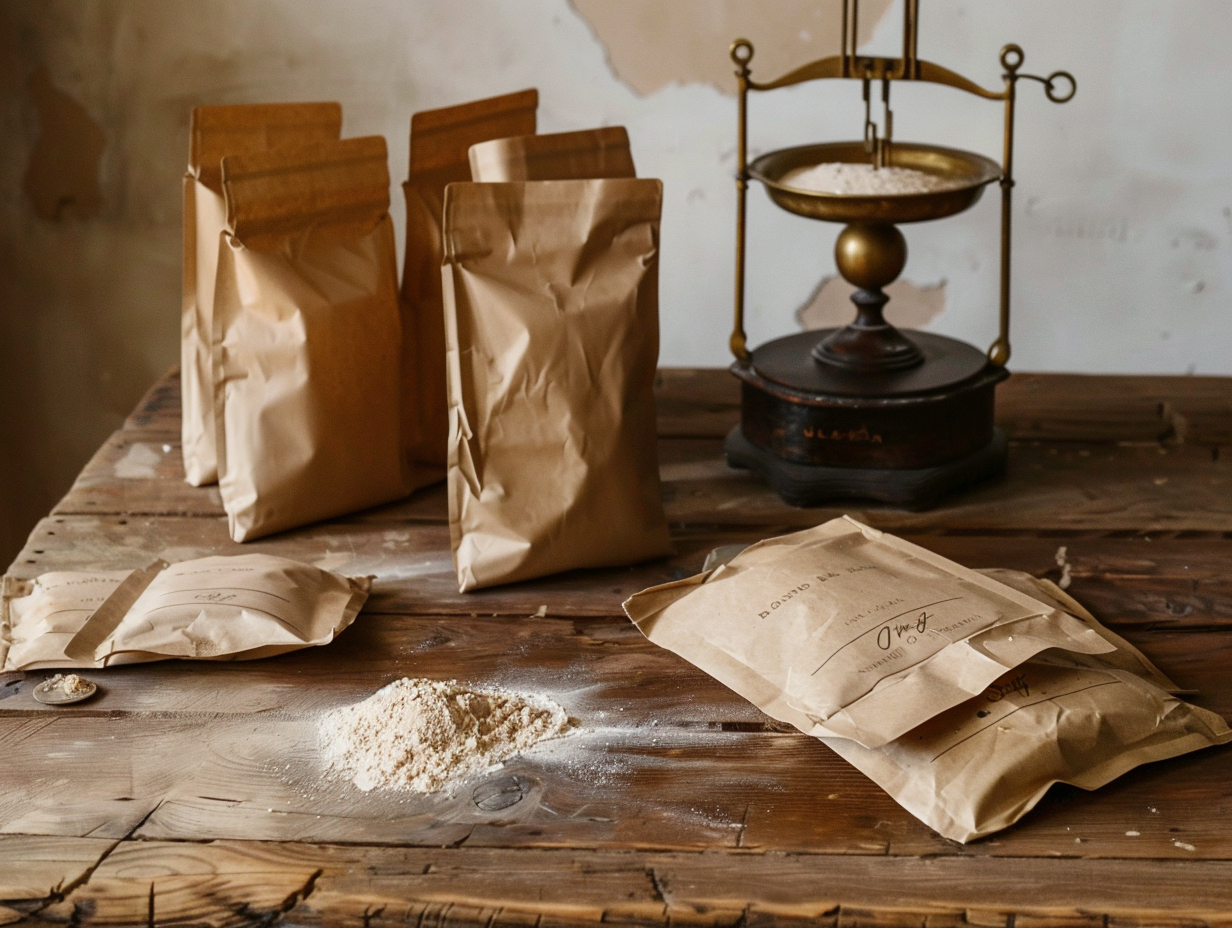
We put ~250g of powder into a brown kraft paper bag (the kind used for dry nuts), purchased from a grocery store for about $1. We printed and attached a label with our brand name. Labs don't care about packaging—you could use a plastic bag—but we maintain branding even for internal samples.
Step 4: Submit to lab
For University of Kinshasa: Drop off at the CRISIAC lab (Faculty of Agricultural Sciences, Department of Chemistry and Agricultural Industries). No appointment needed. Pay at submission. Wait 4 weeks for results via signed/stamped report.
For OCC: Similar process, but integrated with export documentation workflow.
Step 5: Ship sample to buyer ($40+)
For our German buyer, we're sending 2 kg of sample (4x the standard 500g—so they can test in multiple facilities).
Route: Kinshasa → Antwerp via KPM forwarder (Brussels Airlines cargo) → pickup by contact in Belgium → postal delivery to Germany.
Cost breakdown:
- Forwarder Kinshasa to Antwerp: $20/kg × 2 kg = $40
- Antwerp to Germany (postal): ~€15–20 (estimate)
- Total sample delivery: ~$55–60
Why not DHL? DHL DRC doesn't support online invoicing. The buyer offered to pay via their DHL account, but DHL Kinshasa is still paper-based and can't process third-party billing through the app. Also, their price is 3x higher, for sample shipment until we close the sale we didn't find this cost-effective. We had to use a forwarder instead.
The Buyer's Testing Workflow
The buyer standard procedure (from their emails) reveals what actually happens after you ship samples:
- Supplier sends 3 samples:
- 2 × 500g to buyer's office (organoleptical approval + backup)
- 1 × 500g to Buyer's German lab of choice (Planton) for analytical testing
- Buyer runs analyses and approves reports + organoleptical samples
- Only then: Supplier initiates COI (Certificate of Inspection) issuance and vessel booking
Translation: Your DRC lab results are for your own due diligence. The buyer will re-test everything in Europe before confirming the order. This is standard practice for food imports—it's not about trust, it's about regulatory compliance and liability.
Our Approach: Dual-Region Sampling
As an aggregator, Lubembo sources from multiple regions to give buyers options and demonstrate supply chain flexibility. For this baobab opportunity, we prepared samples from two origins:
Sample 1: DRC (Congo Central)
- Source: Matadiki Bala market, Kinshasa (originally from Kongo-Central)
- Raw material cost: ~$10
- Processing: Manual grinding to powder
- Packaging: Kraft paper bags with branded labels
Sample 2: Senegal (Dakar region)
- Source: Partner farmer network in Senegal
- Raw material cost: ~$10
- Shipping: Dakar → Kinshasa via forwarder
- Shipping cost: $28 for 2 kg (CFA 17,000)
- Transit time: ~5–7 days
Why Dual Samples?
European buyers purchasing 30–100 MT/year want supply security. Offering samples from two regions signals:
- You can source from multiple origins if one has supply issues
- You understand regional quality variations
- You're a serious aggregator, not a one-farm middleman
The Senegal sample came from a partner who works directly with farmers in one of West Africa's largest baobab-producing regions. She shipped via a forwarder we've worked with before—a Dakar-based freight forwarder—because DHL would have cost 3–4x more for a 2 kg sample.
The Hidden Cost of Sample Logistics
Getting two regional samples ready for a single buyer inquiry:
| Cost Element | DRC Sample | Senegal Sample |
|---|---|---|
| Raw material | $10 | $10 |
| Processing/grinding | Labor (internal) | Labor (partner) |
| Local transport | ~$5 | ~$5 |
| Inter-Africa shipping | — | $28 |
| Packaging | $1 | $1 |
| Subtotal per sample | ~$16 | ~$44 |
| Total for dual samples | ~$60 |
Add lab testing ($240–$500 per sample) and sample shipping to the buyer ($40–60), and you're looking at $400–$600 invested before the buyer even confirms interest.
This is the cost of being a serious supplier. Most inquiries don't convert. Budget accordingly.
Cost Comparison Summary
| Cost Element | DRC (OCC) | Kenya (private lab) | Belgium (private lab) |
|---|---|---|---|
| Basic quality/nutritional panel | $240 | Included | N/A (different labs) |
| Microbiological panel | Not available | Included (7 tests) | N/A |
| Mycotoxins (aflatoxins) | Not available | Included | €108 |
| Pesticide residues | Not available | Included | €185+ |
| Heavy metals (Pb, Cd) | Not available | Included | €52 |
| EU-specific contaminants | Not available | Not available | €900+ |
| Total lab cost | $240 | $500 | ~€1,744 ($1,900) |
| Turnaround | ~1 month | ~5–7 days | 5 days |
| Sample shipping from Kinshasa | $0 | ~$30–50 | ~$40–60 |
| Total cost to seller | $240 | ~$540 | ~$1,950 |
Key insight: Kenya at $500 covers 90% of what EU buyers need at 25% of the European price. For pre-shipment assurance on a 2-ton trial (€5.80/kg CFR = ~$12,600 revenue), $540 is 4% of revenue—reasonable insurance against shipping product that fails at destination.
Operational Lessons
- OCC is unavoidable for food export. If you're exporting from DRC, test with OCC and skip the university. Same price, one less step.
- Kenya is the sweet spot for comprehensive pre-shipment testing. At $500, lab covers microbiology, mycotoxins, pesticides, and heavy metals—everything DRC can't test. If you're shipping a container worth $12,000+, the extra $260 over DRC is worth it for the assurance.
- University of Kinshasa is faster (~1 month). If you need results for internal decision-making—e.g., whether to pursue a supplier—use the university. Switch to OCC when you're ready to export.
- DRC labs cannot match EU buyer specs. Accept this. Your local testing is for go/no-go decisions on sourcing, not for buyer compliance.
- Sample shipping is a logistics puzzle. No direct flights from Kinshasa to Germany. Budget $30–60 and 3–7 days to get samples to regional or European labs.
- Buyers will re-test in Europe. This is non-negotiable for most if not all food imports. Don't fight it—factor it into your timeline. Your lab results give you confidence; their lab results give them compliance.
- ISO accreditation matters for some buyers. Kenya lab is ISO-accredited; DRC's OCC is not. If a buyer specifically requires accredited third-party testing, Kenya is your regional option.
- The $240–$500 test range is worth it. Before committing to a 2-ton order, spending $240–$500 to verify quality can save you from shipping product that fails at destination—a $12,000+ loss.
- No facilitation fees observed in DRC labs. We've worked with both OCC and University of Kinshasa before. No informal payments were required. Your mileage may vary with first-time relationships. We love working with them, they're just slower than we'd like so we factor this in for non-urgent orders.
How This Deal Ended: The Certification Wall
After all of this—dual samples, lab testing, transparent communication—the German buyer walked away.
Not because of quality. Our lab results showed zero contamination. The baobab from both DRC and Senegal tested clean across all parameters. No pesticide residue. No heavy metals above limits. No mycotoxins. The product is organic in every practical sense.
The buyer walked away because neither the Senegalese farmers nor the Congolese suppliers have EU organic certification.
What EU Organic Certification Actually Requires
To sell as "organic" in the EU, every party in the supply chain must hold valid EU organic certification:
- Farmers must be EU organic certified
- Processing facilities must be EU organic certified
- Exporters/traders must be EU organic certified
Only then can a Certificate of Inspection (COI) be issued via the EU's TRACES system. Without the COI, the product cannot be marketed as organic in Europe—regardless of how clean it actually is.
Cost to get certified: $15,000–$20,000+ for the full supply chain. Annual renewal fees on top of that.
The Math That Doesn't Work (Yet)
For an aggregator like Lubembo, spending $15,000–$20,000 on EU organic certification only makes sense if:
- You have confirmed volume commitments from EU buyers
- You're shipping 50+ MT/year to justify the fixed cost
- Or a buyer is willing to co-invest (paying certification costs in exchange for reduced pricing over 2–3 years)
None of those conditions exist today. So we're locked out of the EU organic market—not because our product is bad, but because we can't afford the entry ticket.
The Structural Barrier No One Talks About
This is the reality for most African suppliers trying to access European markets:
What EU buyers say they want:
- Clean product (zero contamination)
- Reliable supply (multiple sourcing regions)
- Competitive pricing (€5.40–5.80/kg CFR)
- Professional documentation
What EU buyers actually require:
- EU organic certification from the exporter (Lubembo) AND the farm ($15,000–$20,000)
- GFSI or HACCP certification (additional cost)
- Certificate of Inspection via TRACES (only possible with certification)
The product growing in a forest in DRC or a rural region of Senegal—untouched by pesticides, naturally organic—cannot enter the EU market because the farmer can't afford a European certification audit.
Meanwhile:
- US market: Requires FDA facility registration (~$1,300/year via Registrar Corp). Achievable.
- Middle East market: Requires Halal certification ($300). Achievable.
- EU market: Requires €15,000+ certification across the entire supply chain. Barrier.
This isn't a complaint—it's a structural observation. If you're an African supplier targeting Europe, certification is the gatekeeper. Budget for it, find a co-investment partner, or focus on markets with lower barriers to entry.
What I Would Do Differently Today
- Qualify buyer commitment before investing in samples. We spent ~$60 on dual samples + $240 on lab testing before confirming the buyer would engage with non-certified suppliers. Next time: ask upfront about certification requirements.
- Target US and Middle East markets first. FDA registration ($1,300/year) and Halal certification are achievable. EU organic certification ($15,000–$20,000) is not—until we have volume to justify it. Sequence matters.
- Seek co-investment partnerships for EU certification. The right structure: buyer pays certification costs upfront, recovers investment through discounted pricing over 2–3 years. We get market access; they get supply security. Win-win if you find the right partner.
- Use Kenya for pre-shipment assurance on high-value orders. For a 2-ton trial worth $12,000+, the $500 private lab test is worth it. It covers microbiology, mycotoxins, pesticides, and heavy metals—everything that could fail at destination.
- Build regional sourcing relationships before you need them. The Senegal partnership took months to develop. Having dual-origin capability ready when the inquiry came made us look serious—even if this deal didn't close.
Templates You Can Copy (FREE)
(A) Lab Testing Expense Tracker
| Date | Lab / Vendor | Test Type | Parameters | Cost (USD) | Turnaround | Result |
|---|---|---|---|---|---|---|
| Pass/Fail |
Categories:
- Nutritional panel
- Microbiological panel
- Pesticide residue
- Heavy metals
- Mycotoxins
- Other contaminants
(B) Sample Preparation Checklist
Before procurement:
- Confirm buyer's spec sheet (what parameters matter?)
- Identify source market/supplier
- Budget sample quantity (500g per test is standard)
Procurement:
- Purchase raw material (record source, date, cost)
- Process to final form (powder, dried, etc.)
- Verify moisture level if possible (affects shelf life and test results)
Packaging:
- Use food-grade packaging (kraft paper, sealed plastic)
- Label with: product name, batch/lot, date, your company
- Prepare duplicate samples (one for local test, one for buyer)
Submission:
- Confirm lab can test required parameters
- Confirm turnaround time and payment terms
- Get receipt/confirmation of sample submission
- Record expected results delivery date
(C) What to Request from Labs
When contacting a lab for quotes, ask:
- What parameters can you test for [product]?
- What methods do you use? (AOAC, ISO, GC-MS, LC-MS, etc.)
- What is the cost per sample?
- What is the turnaround time?
- What sample quantity do you need?
- Do you provide accredited/certified reports?
- Can you test against a specific buyer spec sheet? (attach it)
Next: The Paid Deep Dive
This free post covered the lab testing landscape, the dual-sample strategy, and the hard truth about EU market access.
The paid post (coming next month) goes deeper:
- EU organic certification economics: Full cost breakdown, timeline, and ROI analysis. At what volume does certification make sense? How to structure co-investment deals with buyers.
- Market-by-market entry strategy: US (FDA), EU (organic + GFSI), Middle East (Halal), Asia. Which markets are accessible now vs. require investment.
- Supplier qualification framework: How we evaluate baobab suppliers in DRC and Senegal before committing to lab tests and trial orders. Site visit checklist, volume verification, quality indicators.
Paid subscribers get the models, the checklists, and the supplier contacts.
If this breakdown was useful, subscribe to Lubembo Intel. Free posts deliver real numbers. Paid posts deliver the playbooks.


